Always consult a manufacturer SDS. Read our Full Liability Disclaimer
C₁₀H₁₆ (Primarily α-Pinene and β-Pinene)
Hazard Level & Hazards:
When we create or update chemical disposal entries, our H-code hazard list is generous. We list hazards that may be just below regular cutoffs and would otherwise normally be unlisted. We do this to provide hobbyists a wider scope of safety risks that may still be relevant, despite normally being omitted. Our GHS icons, however, are congruent with typical legal labeling requirements of the respective chemical.
High
- H226: Flammable liquid and vapor
- H302: Harmful if swallowed
- H304: May be fatal if swallowed and enters airways
- H315: Causes skin irritation
- H317: May cause an allergic skin reaction
- H319: Causes serious eye irritation
- H332: Harmful if inhaled
- H335: May cause respiratory irritation
- H336: May cause drowsiness or dizziness
- H411: Toxic to aquatic life with long lasting effects
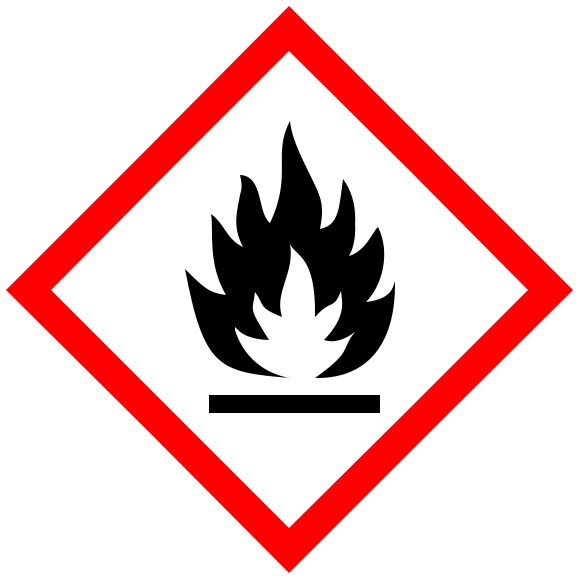
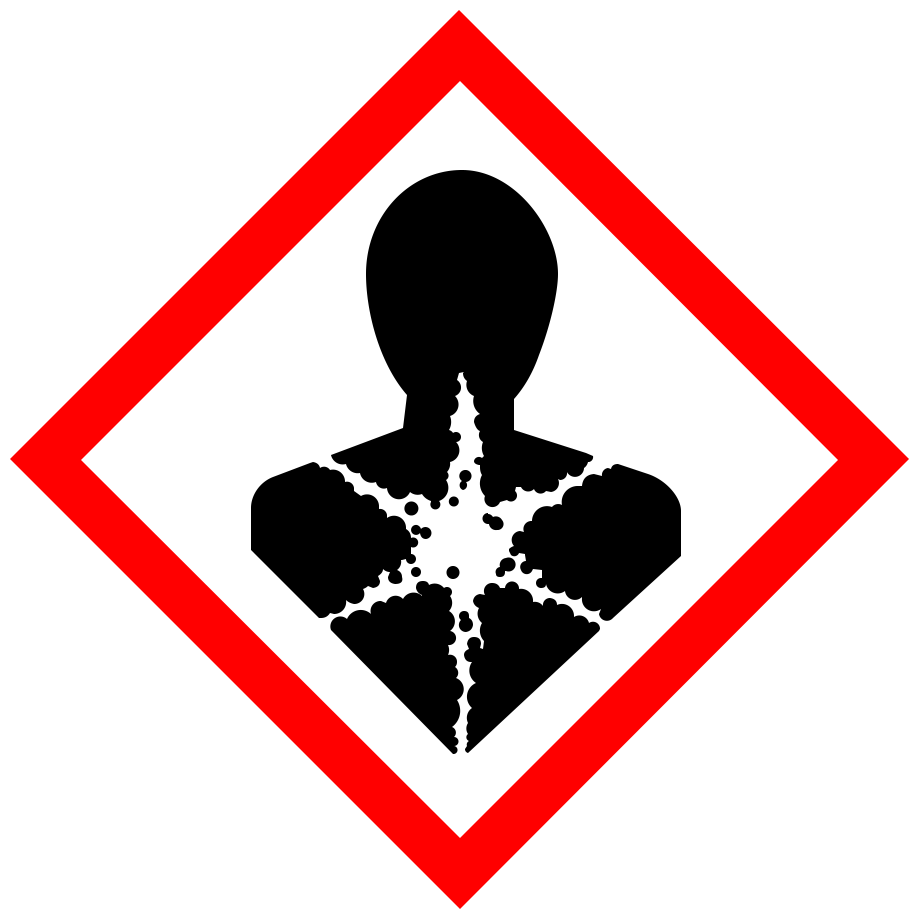

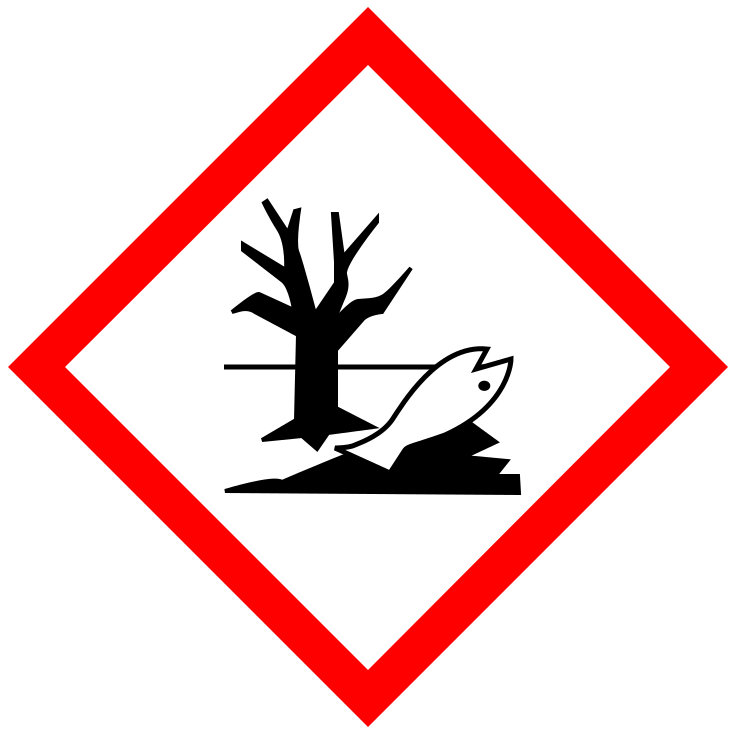
Disposal Method
Never pour turpentine down a drain, it can damage septic systems and contaminate groundwater.
- For Artists Don’t dispose of turpentine after one painting session. Pour used turpentine into a glass jar and let it sit for several weeks. The paint solids (pigments and binders) will settle to the bottom. You can then pour the clear, clean turpentine off the top into a fresh container for reuse
- For larger quantities, once the remaining sludge becomes too thick to separate, do not throw it in the trash. Keep it sealed in a metal container. The original container is always ideal. Glass can be used for small quantities. Take it to a local Household Hazardous Waste (HHW) facility.
- While hobbyists often evaporate smaller quantities in a safe ventilated outdoor space away from any flammables, this is an illegal disposal in most jurisdictions since turpentine is a volatile organic compound.
- Rags soaked in turpentine are a fire hazard. Lay them flat on an outdoor non-flammable surface to dry completely before disposal. You can also store them in a water-filled metal “oily waste” can, however this makes eventual disposal more difficult.
Neutralizing Agent
N/A – For spills: Use absorbents like kitty litter or baking soda (sodium bicarbonate). Do wash cycles with white vinegar or ammonia. Let evaporate in a ventilated space.
Storage Precautions
Store in a cool, dry, well-ventilated area away from direct sunlight and heat sources. Vapors are heavier than air and will travel along the floor to find ignition sources. Ensure the cap is airtight to prevent gumming”(oxidative polymerization).
Ideal Storage Container
Metal Container. Review our chemical storage container guide for more information about container types and materials.
Other Names
Gum Spirits, Turps, Spirits of Turpentine, Oil of Turpentine, Wood Turpentin
Additional Tips
- Turpentine’s flashpoint is around 35°C (95°F). This means on a hot summer day, turpentine is actively emitting enough vapor to ignite from a single spark
- While linseed oil is well-known for catching rags on fire, turpentine acts as an accelerant. If you have lean painting rags (linseed oil thinned with turpentine), the risk of spontaneous combustion is significantly higher than with oil alone
- Old turpentine forms peroxides and gums. If your turpentine feels sticky or has a heavy, acrid smell unlike its usual pine scent, it has oxidized. This turpentine will prevent oil paint from drying properly. This can lead to sticky paintings that never cure.
Unlike mineral spirits, turpentine is a sensitizer. You might be fine using it for years, but once your body triggers an allergic response to it, you may never be able to use it again without severe hives or respiratory distress. This makes PPE (Nitrile gloves—not Latex) non-negotiable
Incompatible Chemicals/Dangerous Combinations
- Strong Oxidizers (e.g., Bleach, Peroxides) Fire/Explosion – Rapid oxidation causes a heat spike that can lead to spontaneous combustion.
- Nitric Acid (HNO₃) Violent Ignition – Turpentine is hypergolic with concentrated nitric acid (it catches fire on contact)
- Calcium Hypochlorite (Ca(ClO)₂)(Pool Shock) Explosion – Mixing produces a violent gas-evolving reaction that can rupture containers.