Always consult a manufacturer SDS. Read our Full Liability Disclaimer
Hazard Level & Hazards:
When we create or update chemical disposal entries, our H-code hazard list is generous. We list hazards that may be just below regular cutoffs and would otherwise normally be unlisted. We do this to provide hobbyists a wider scope of safety risks that may still be relevant, despite normally being omitted. Our GHS icons, however, are congruent with typical legal labeling requirements of the respective chemical.
Medium
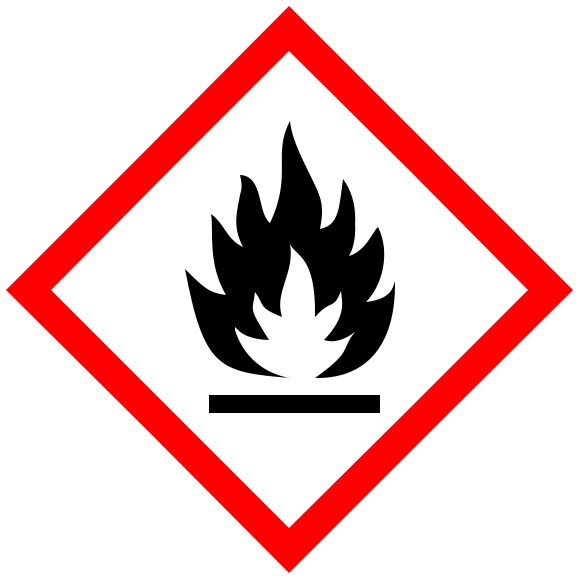
- H225: Highly flammable liquid and vapor
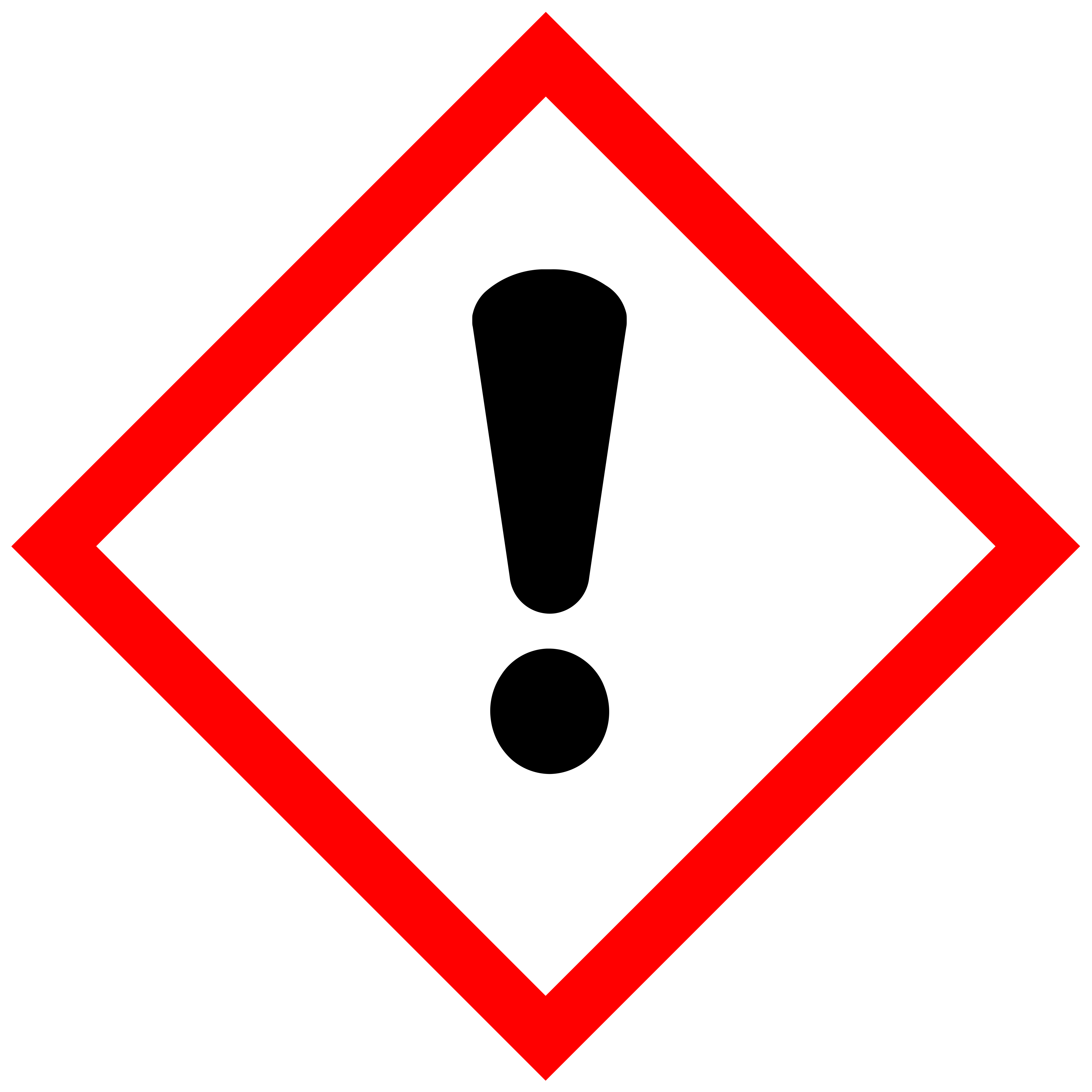
- H319: Causes serious eye irritation
- H336: May cause drowsiness or dizziness
Disposal Method
- For small, pure quantities, you can pour into a shallow plastic container and allow to evaporate in a well-ventilated area away from any heat sources, sunlight, or open flames.
- “Dirty” isopropanol with dissolved resins (e.g., from 3D printing) should be evaporated until the resin solidifies, and the solid waste then placed in the trash.
- Some local guidelines may allow for very small amounts (less than 5%) to be poured down a sanitary sewer drain. If permitted, slowly pour the diluted alcohol while running a significant amount of cold water (20+ parts water for 1 part alcohol) to flush it through the pipes. Never pour it into a storm sewer or a septic system. Whenever pouring down the sink, be sure to use copious amounts of water.
- Larger quantities should be taken, in a sealed HDPE, glass, or metal container to your local household hazardous waste (HHW) facility. Be sure to follow municipal guidelines and regulations. Our HHW guide has important information about transport and safety.
Neutralizing Agent
N/A. For spills: Immediately ensure ample ventilation. remove any sources of sparks, ignitions, or flames, wear appropriate PPE,
Storage Precautions
Long-term storage should be in a lined metal container to prevent degradation by light and plastic leaching. Keep container tightly closed in a dry and well-ventilated place. Keep away from heat and keep away from sources of ignition. Absorb with non-combustible materials like sand, earth, kitty litter, or vermiculite to soak up the liquid. Avoid sawdust.
Ideal Storage Container
Metal Container. Review our chemical storage container guide for more information about container types and materials.
Other Names
Isopropanol, Isopropyl alcohol, IPA, rubbing alcohol
Additional Tips
- 3d Printing Tip Use a dirty bath and a clean bath. Wash your print in the diirty tank first to remove 90% of the bulk resin. Then, move it to the clean tank for the final rinse. This prevents the sticky film often found on cured prints and extends the life of your clean IPA by 5x to 10x. When the dirty bath is saturated, set it in the sun. The UV rays will cure the suspended resin, which then settles to the bottom as sludge, allowing you to pour off the relatively clear IPA from the top
- In miniature painting and acrylic art, isopropanol is used to alter the fluid dynamics of paint. Use a 5% IPA solution in distilled water as a flow improver. Alcohol reduces the surface tension of water. Adding a tiny amount to your palette allows acrylic paint to flow into the deepest recessed details of a sculpt (like chainmail or fur) without beading up on the surface. Beware splashing high-concentration IPA onto wet acrylic paint creates a crater or “bubble” effect, as the alcohol rapidly pushes the pigment away.
When mixing two-part resins or silicones, bubbles are the enemy. Lightly mist the surface of a freshly poured mold with 99% IPA. The alcohol breaks the surface tension of the bubbles, causing them to pop instantly. Additionally, the rapid evaporation of the alcohol can slightly cool the surface layer, which can help manage the exothermic heat spike in some fast-curing resins.
| Concentration | Best Hobby Use | Avoid This |
|---|---|---|
| 50% – 70% | Disinfecting tools, making flexible DIY ice packs (2:1 water ratio). | Internal electronics; high water content causes corrosion. |
| 91% | Stripping paint from plastic models without melting the base material. | Clear acrylic parts; can cause “crazing” or micro-cracking. |
| 99% | Cleaning CPU thermal paste, 3D print beds, and optical sensors. | Prolonged skin contact; causes instant dehydration and cracking. |
Incompatible Chemicals/Dangerous Combinations
- Bleach (Sodium Hypochlorite) (NaClO) Chloroform Production – Mixing these creates chloroform and chloroacetone. These are toxic and volatile liquids that can cause dizziness, unconsciousness, and organ damage when inhaled.
- Nitric Acid (HNO₃) Explosion – Isopropanol is rapidly oxidized by nitric acid. This reaction is highly exothermic (releases heat) and can lead to a spontaneous fire or detonation.
- Hydrogen Peroxide (H₂O₂) Explosive Peroxides – Even though these are sometimes found together in medical kits, mixing high concentrations can form unstable “ketone peroxides.” These are shock-sensitive and can explode.
- Strong Oxidizers (e.g., Chromic Acid, Permanganates) Fire/Explosion – Strong oxidizers react vigorously with alcohols. This often results in the immediate ignition of the flammable alcohol or a runaway thermal reaction.
- Sulfuric Acid (H₂SO₄) Extreme Heat – Can lead to dehydration of the alcohol, creating flammable propylene gas and significant heat that may splash the acid