Always consult a manufacturer SDS. Read our Full Liability Disclaimer
Hazard Level & Hazards:
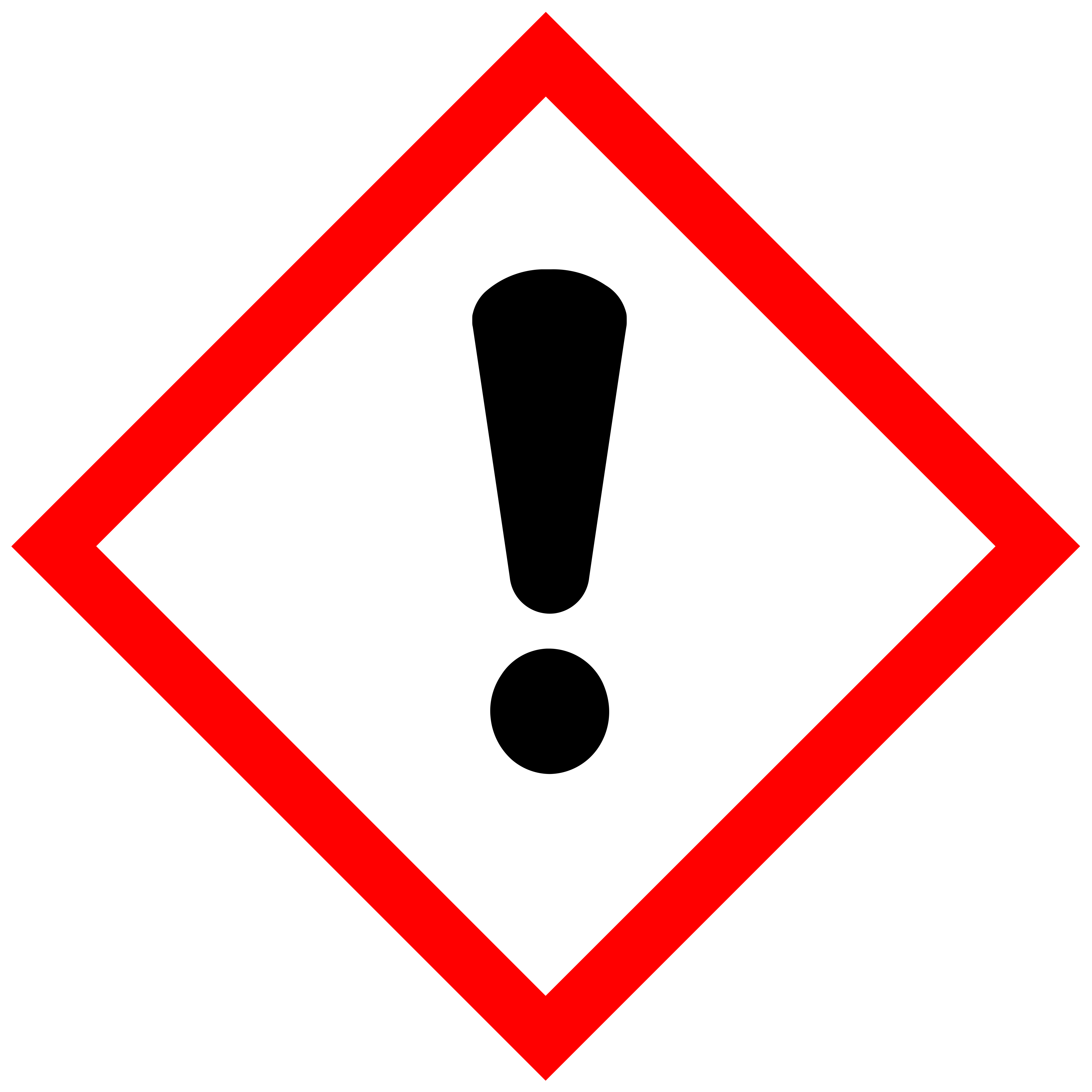
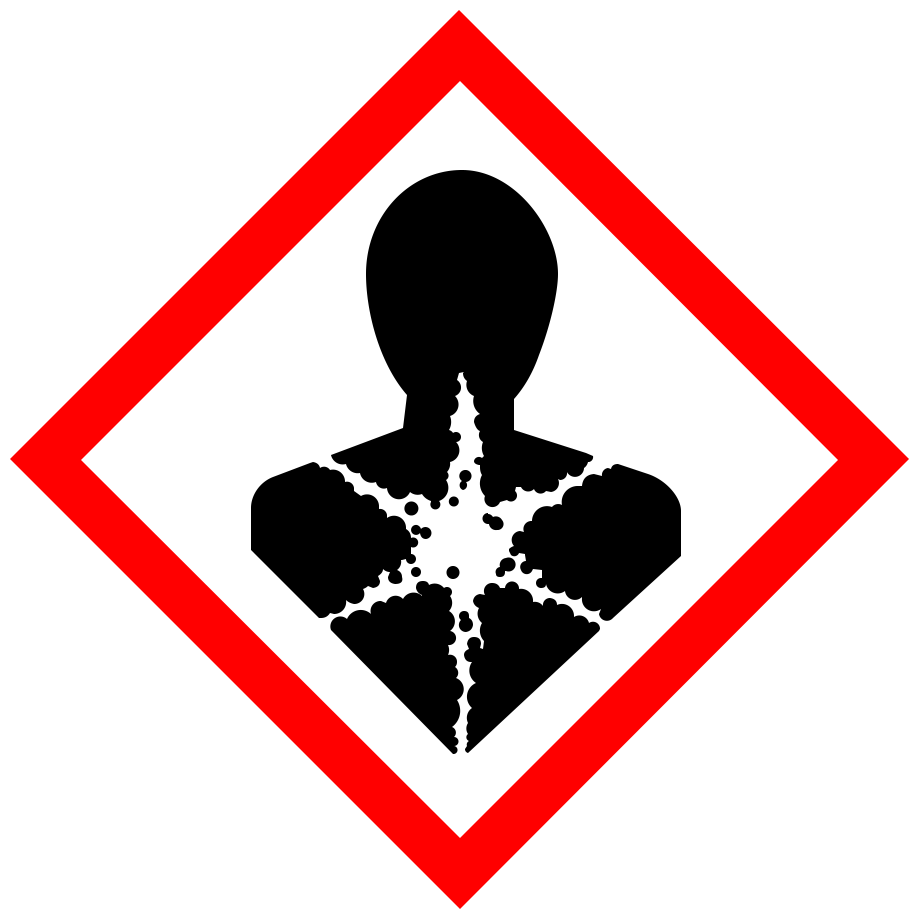
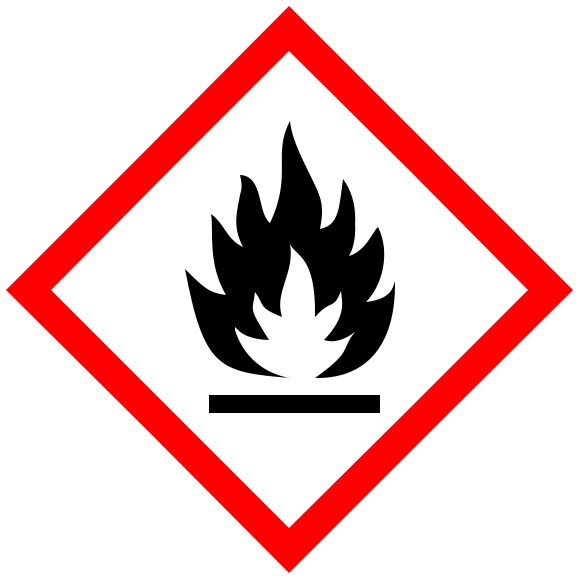
When we create or update chemical disposal entries, our H-code hazard list is generous. We list hazards that may be just below regular cutoffs and would otherwise normally be unlisted. We do this to provide hobbyists a wider scope of safety risks that may still be relevant, despite normally being omitted. Our GHS icons, however, are congruent with typical legal labeling requirements of the respective chemical.
Medium
- H226: Flammable liquid and vapor
- H304: May be fatal if swallowed and enters airways
- H312: Harmful in contact with skin
- H315: Causes skin irritation
- H319: Causes serious eye irritation
- H332: Harmful if inhaled
- H335: May cause respiratory irritation
- H372: Causes damage to organs through prolonged or repeated exposure
Disposal Method
For quantities greater than 100-200mL or any contaminated (impure) solutions, disposal at a household hazardous waste (HHW) facility is the only recommended method.For very small quantities (less than ~100mL) of clean, unused xylene, and only if permitted by local regulations, there are limited at-home disposal options.
- For less than ~50mL of xylene
- Choose an outdoor location away from structures, ignition sources, people, and storm drains.
- Place absorbent inert material (kitty litter, vermiculite, sand) in a shallow metal tray.
- Pour the small amount onto the absorbent.
- Allow complete evaporation.
- Once fully dry and odorless, dispose of absorbent in sealed trash bag.
- Never evaporate indoors
- For ≤100 mL of clean solvent
- Mix thoroughly into a large volume of absorbent (at least 5–10x volume).
- Ensure material is no longer liquid and no pooling remains.
- Seal in double heavy-duty plastic bags.
- Dispose in household trash (if local regulations permit).
Neutralizing Agent
N/A. For spills: Wear PPE. Ensure strong ventilation to remove lingering vapors. Remove any flammable materials or ignition sources. Use inert absorbents (sand, silica gel) to absorb the xylene. Place the absorbent in double-bagged heavy-duty trash bags. Dispose in household trash if regulations permit.
Storage Precautions
Store in a sealed amber borosilicate container. Keep container tightly closed. Glass stopper is OK. Keep in a cool and well-ventilated area. Keep away from sparks, heat, and flames.
Ideal Storage Container
Borosilicate Glass. Review our chemical storage container guide for more information about container types and materials.
Other Names
Dimethylbenzene, xylol, o-xylene (ortho), m-xylene (meta), p-xylene (para), xiloli, xylenen
Additional Tips
- Xylene’s flash point (~25–30 °C) means vapors can ignite at near-room temperature. Disposal work should always be done well below this temperature and away from confined spaces.
- Xylene vapor is heavier than air (vapor density ~3.7). It will settle in low areas such as basements, floor drains, and sumps. Even small spills can create invisible pooling vapor layers.
- Pouring xylene between containers can generate static charge. For quantities >1 liter, grounding and bonding practices should be used. While rare at hobby scale, static ignition is well documented in solvent fires.
- Many products labeled “paint thinner” contain mixed solvents. If the material is not confirmed to be pure xylene, disposal guidance may differ. Mixed solvent waste should default to HHW.
- While HDPE can be used for short term storage, the container can be compromised (swelling, etc) over-time
- Evaporation rate increases dramatically with temperature. Performing disposal during cooler parts of the day reduces vapor concentration and ignition risk.
- Water is ineffective for extinguishing xylene pool fires. Appropriate extinguishers: Class B dry chemical, CO₂, Foam
Incompatible Chemicals/Dangerous Combinations
- Strong Oxidizers (Peroxides, permanganates, chromates, nitric acid (concentrated), bleach, etc) Violent Oxidation – Xylene can undergo rapid exothermic oxidation when mixed with strong oxidizing agents. This may generate significant heat, toxic gases, and potentially ignition. In confined conditions, pressure buildup and rupture are possible.
- Strong Lewis Acids (aluminum chloride, ferric chloride, etc) Alkylation – Lewis acids catalyze Friedel–Crafts alkylation reactions involving aromatics. Accidental mixing may cause heat evolution and formation of heavier aromatic residues.