Always consult a manufacturer SDS. Read our Full Liability Disclaimer
Hazard Level & Hazards:
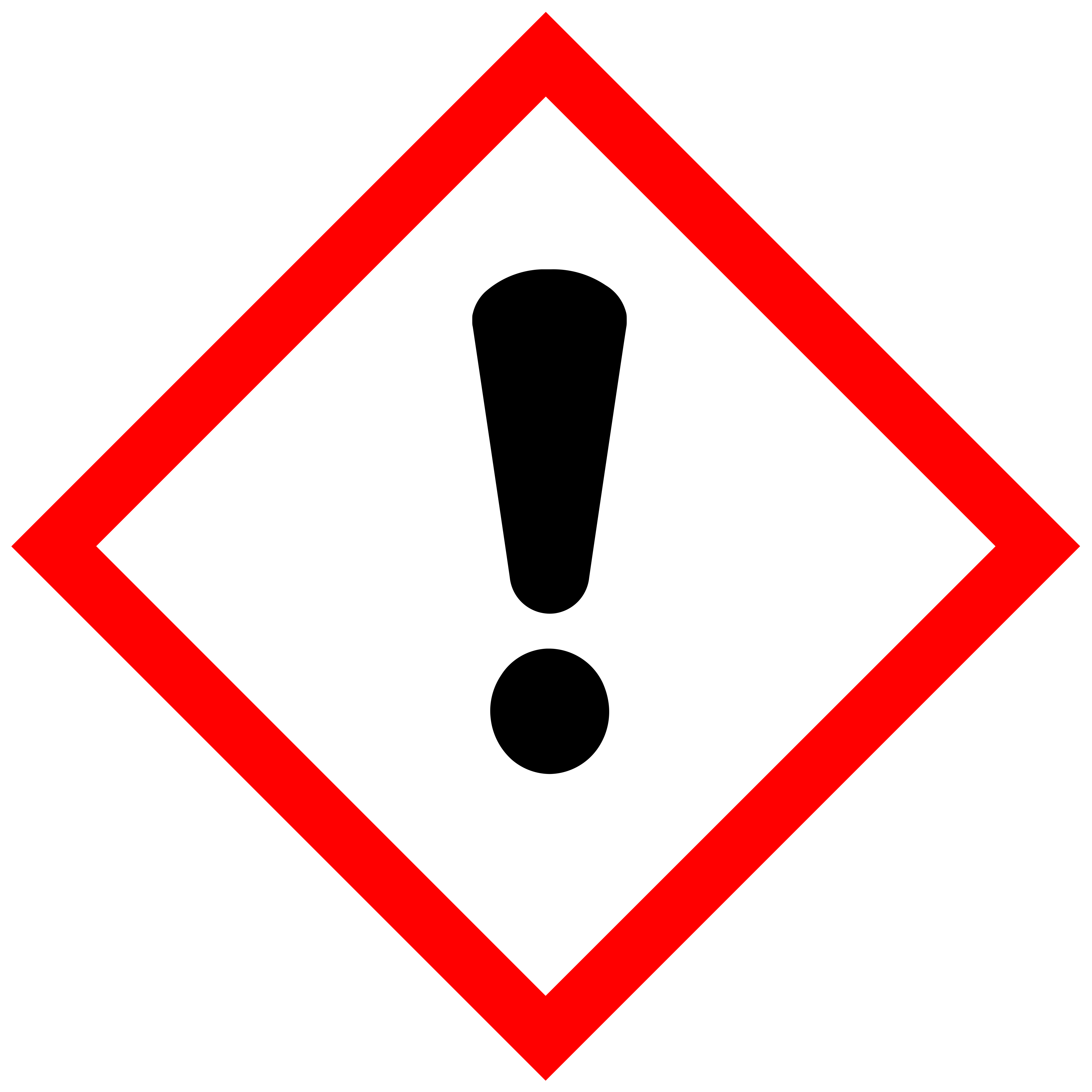
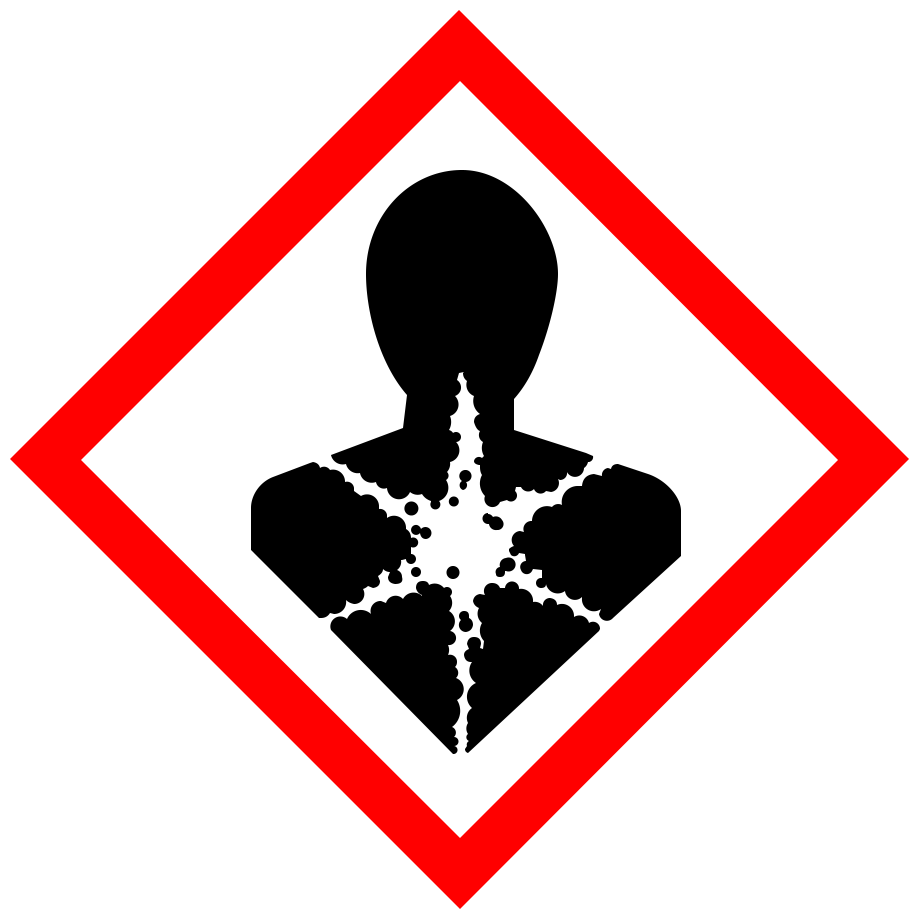
When we create or update chemical disposal entries, our H-code hazard list is generous. We list hazards that may be just below regular cutoffs and would otherwise normally be unlisted. We do this to provide hobbyists a wider scope of safety risks that may still be relevant, despite normally being omitted. Our GHS icons, however, are congruent with typical legal labeling requirements of the respective chemical.
High
- H302: Harmful if swallowed
- H315: Causes skin irritation
- H319: Causes serious eye irritation
- H336: May cause drowsiness or dizziness
- H350: May cause cancer
- H370: Causes damage to organs
- H372: Causes damage to organs through prolonged or repeated exposure
Disposal Method
Take unused or waste methylene chloride to a Household Hazardous Waste (HHW) facility whenever possible. Visit our HHW page for more information about chemical transport and typical HHW conventions. HHW disposal is especially if:
- You have any more than ‘trace’ amounts
- the DCM is mixed with paints, adhesives, or other chemicals
- Place absorbent material (kitty litter, vermiculite, sand, commercial chemical absorbents) in a chemical-resistant container.
- Slowly add the methylene chloride to the absorbent.
- Mix until no free liquid remains.
- Place the absorbent material outdoors in a well-ventilated area until solvent odor is minimal.
- Seal the dry material in a heavy plastic bag and dispose of it in household trash if local regulations permit.
Neutralizing Agent
N/A. For spills: Wear proper PPE. Immediately ensure adequate ventilation and clear the area of any people and avoid breathing the vapors. Mark the area (caution tape, signs, etc) to make sure no enters. Use an absorbent like kitty litter, vermiculite, sand, or a commercial chemical absorbent to absorb the liquid. Use cardboard or index paper to scoop the material into a chemical resistant container (HDPE acceptable for short-term, not long-term). Place the cleanup materials outdoors in a well-ventilated area until solvent odor is minimal. Do not allow the DCM to evaporate in an enclosed indoor space. Seal the dry material in a heavy plastic bag and dispose of it with household trash if regulations permit.
Storage Precautions
Store in amber borosilicate glass. Keep sealed. (Glass on glass stopper is OK for DCM). Keep in a cool, well-ventilated area. Ensure adequate labeling of hazards.
Ideal Storage Container
Borosilicate Glass. Review our chemical storage container guide for more information about container types and materials.
Other Names
DCM, Methylene chloride, methylene dichloride, dichloromethane, methane dichloride, aerothene MM, R-30, Freon 30, 75-09-2, solaesthin, narkotil, metaclen, soleana VDA
Additional Tips
- Methylene chloride vapor has a density about 2.9 times heavier than air. Vapors tend to accumulate in low areas such as basements, tanks, or floor depressions.
- Unlike many solvents, the primary danger is toxicity instead of flammability. Exposure can affect the central nervous system and may cause dizziness, confusion, or loss of consciousness.
- Many older or industrial-strength paint removers contain methylene chloride. These products are responsible for most serious exposures associated with the chemical.
- Combining methylene chloride with hydrocarbon solvents can create mixed waste streams that are harder to manage safely.
- Due to health risks, several countries and regulatory agencies have restricted or banned certain consumer uses of methylene chloride.
Incompatible Chemicals/Dangerous Combinations
- Alkali Metals (sodium, potassium, etc) Violent Reaction – Highly reactive metals can react aggressively with chlorinated solvents. These reactions can produce heat, corrosive metal chlorides, and flammable gases.
- Strong Oxidizers (permanganates, perchlorates, peroxides, etc) Heat & Toxic Gas – Oxidizing agents can accelerate decomposition of chlorinated solvents. This can generate heat and potentially produce toxic gases such as hydrogen chloride under certain conditions.
- Strong Acids (Sulfuric Acid, Nitric Acid, etc) Acidic Gas – Strong acids can promote decomposition reactions and release corrosive hydrogen chloride vapors, especially if heat is present.
- Amines Gas release – Certain amines can react with methylene chloride to form chlorinated amine derivatives and release hydrogen chloride gas