Always consult a manufacturer SDS. Read our Full Liability Disclaimer
(NH₄)₂S₂O₈
Hazard Level & Hazards:
When we create or update chemical disposal entries, our H-code hazard list is generous. We list hazards that may be just below regular cutoffs and would otherwise normally be unlisted. We do this to provide hobbyists a wider scope of safety risks that may still be relevant, despite normally being omitted. Our GHS icons, however, are congruent with typical legal labeling requirements of the respective chemical.
Medium
- H272: May intensify fire; oxidizer
- H302: Harmful if swallowed
- H315: Causes skin irritation
- H317: May cause an allergic skin reaction
- H319: Causes serious eye irritation
- H335: May cause respiratory irritation
- H402: Harmful to aquatic life
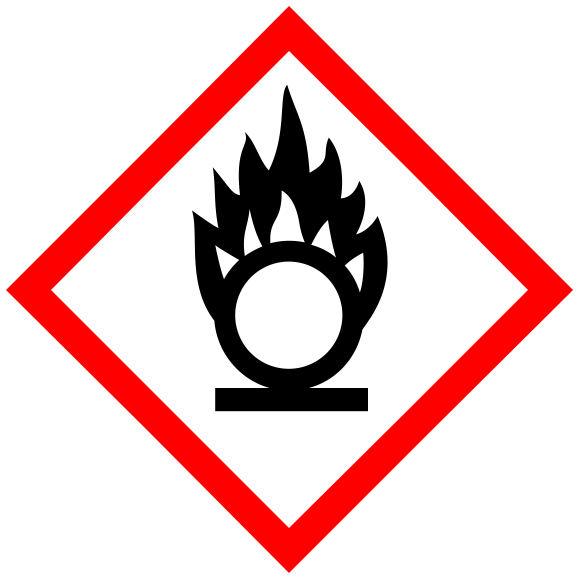
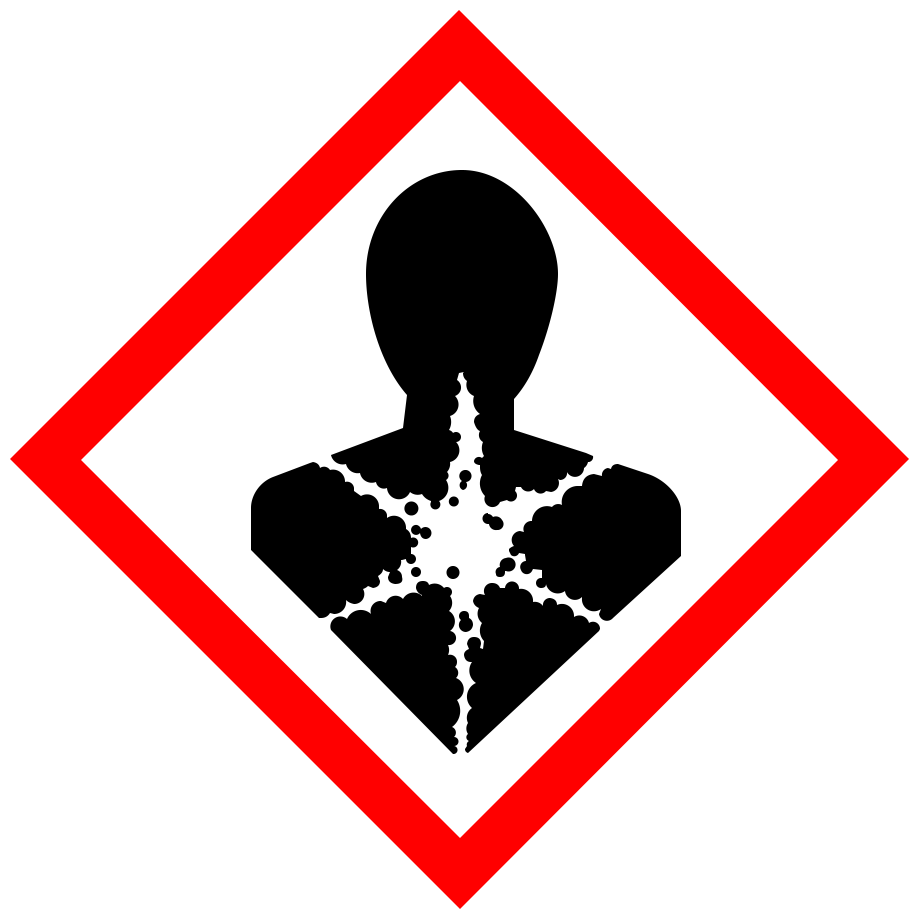
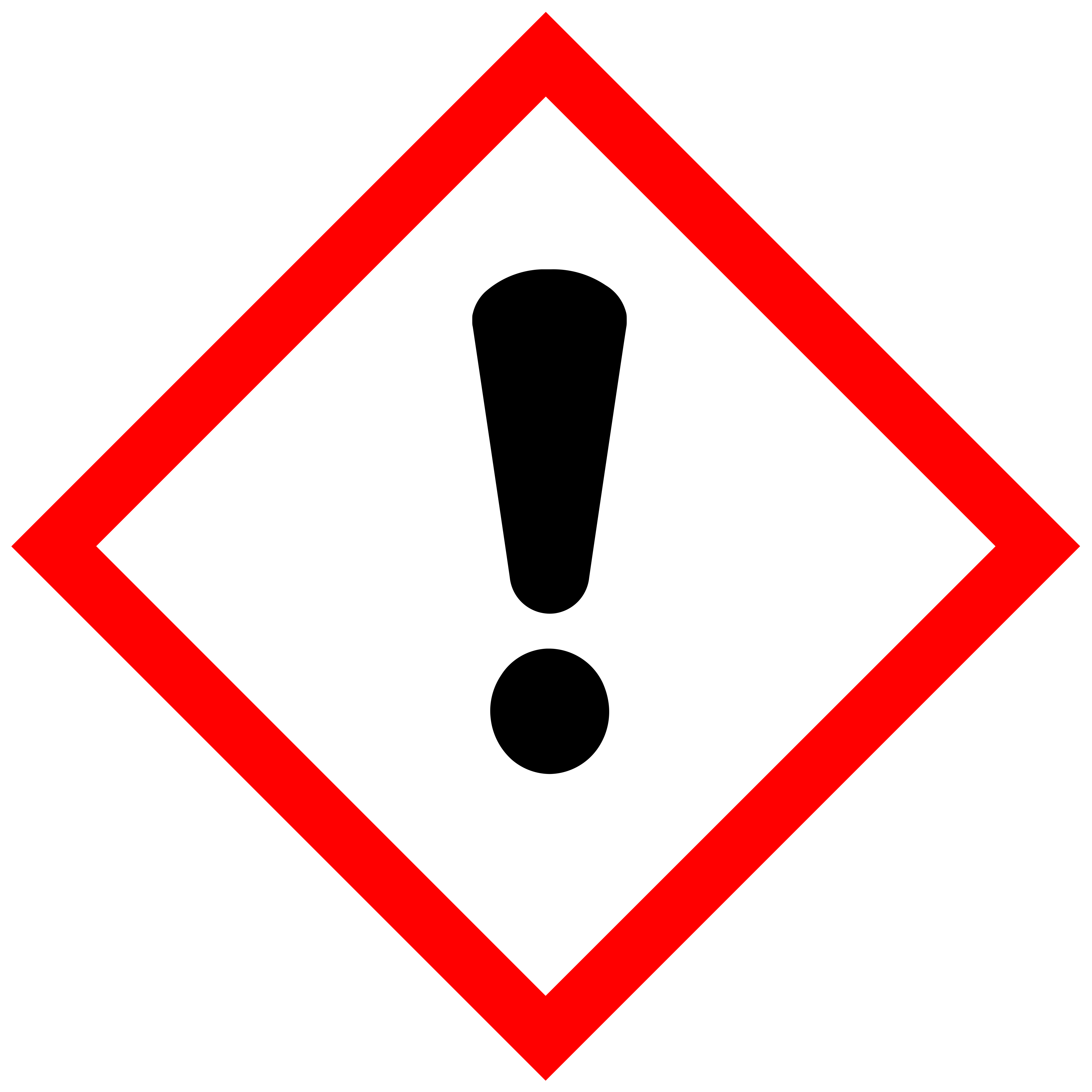
Disposal Method
For most situations, the safest disposal method is taking the APS to a Household Hazardous Waste (HHW) facility. Visit our page on HHW facilities for information about transporting the chemical, as well as information about the typical conventions and procedures at HHW facilities. HHW disposal is especially recommended if:
- The quantity is large (more than ~100-200g)
- The APS is contaminated with metals, resins, or organic compounds
- The chemical has degraded or clumped due to moisture
- Dissolve the ammonium persulfate in a large container of water. Use at-least 50-100 parts water for every part APS by weight
- Stir until completely dissolved
- Slowly pour the diluted solution down a sanitary drain with water running before, during, and after the pour.
- Dissolve the ammonium persulfate in a large container of water.
- Allow the solution to stand for 24–48 hours, preferably in a warm location.
- During this time the persulfate decomposes into sulfate ions.
- After decomposition, the solution can be flushed down the drain with plenty of water if local regulations permit.
Neutralizing Agent
N/A. For spills: Wear all proper PPE. Dampen the powder to prevent stirring up dust. Absorb liquids with inert materials like sand or vermiculite. Place waste in a sealed, labeled, and suitable container for hazardous waste disposal.
Storage Precautions
Keep in a tightly sealed HDPE container. Store in a cool well-ventilated area. Keep away from sources of heat, flame, sparks, or ignition. Keep away from flammable materials.
Ideal Storage Container
HDPE. Review our chemical storage container guide for more information about container types and materials.
Other Names
APS, ammonium peroxodisulfate, diamonium perfsulfate, AP, PER, (Peroxydisulfuric acid, diammonium salt), Diazanium;sulfonatooxy sulfate, 7727-54-0
Additional Tips
- Persulfates are widely used in chemistry because they produce sulfate radicals when activated. These radicals are extremely reactive and can rapidly oxidize organic compounds.
- Exposure to humidity causes ammonium persulfate to slowly decompose. Containers left open may form clumps and lose oxidizing strength.
- Even small amounts of iron or copper contamination can significantly accelerate persulfate breakdown
- Many hobbyists encounter ammonium persulfate while etching printed circuit boards. Etching solutions usually contain dissolved copper and should be treated as hazardous waste.
- Oxidizers should always be stored separately from organic solvents, fuels, or reducing agents.
- Warm storage conditions shorten shelf life and increase the chance of decomposition.
- Using metal scoops or tools can introduce catalytic metals that accelerate decomposition.
- Once dissolved in water, persulfate begins slowly breaking down. Fresh solutions are typically more reactive than older ones.
Incompatible Chemicals/Dangerous Combinations
- Organic Materials (Solvents, oils, resins, paper, sawdust, etc) Fire – Persulfates are powerful oxidizers and can accelerate combustion when mixed with organic materials. Contaminated mixtures may ignite or decompose violently.
- Reducing Agents (Sulfites, thiosulfates, metal powders, etc) Exothermic – Reducing agents react readily with persulfates in oxidation-reduction reactions that release heat and gases.
- Combustible Powders (sulfur, charcoal, aluminum powder, etc) Oxidizer Hazard – Oxidizers combined with combustible powders can create mixtures capable of rapid combustion or deflagration.
- Heat or Sparks Oxidizer Hazard – Elevated temperatures accelerate decomposition and can initiate violent reactions with nearby combustible materials.