Always consult a manufacturer SDS. Read our Full Liability Disclaimer
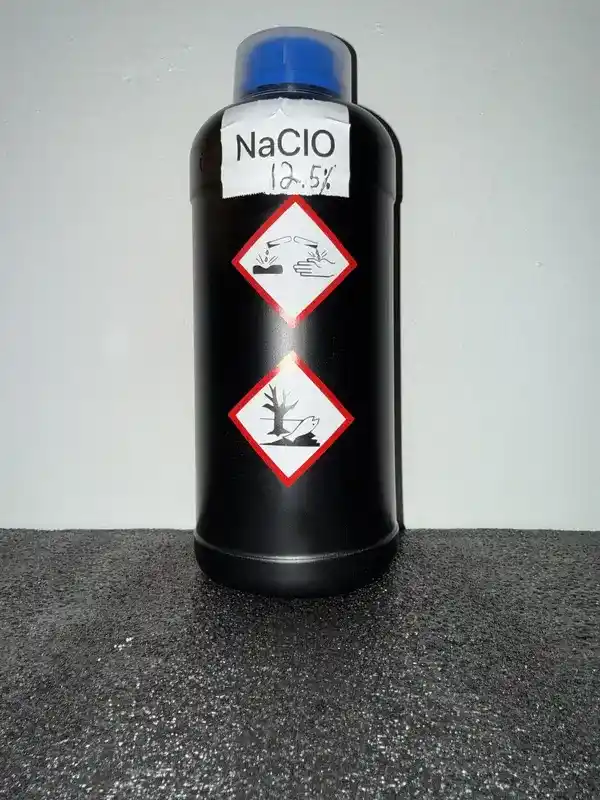
Hazard Level & Hazards:
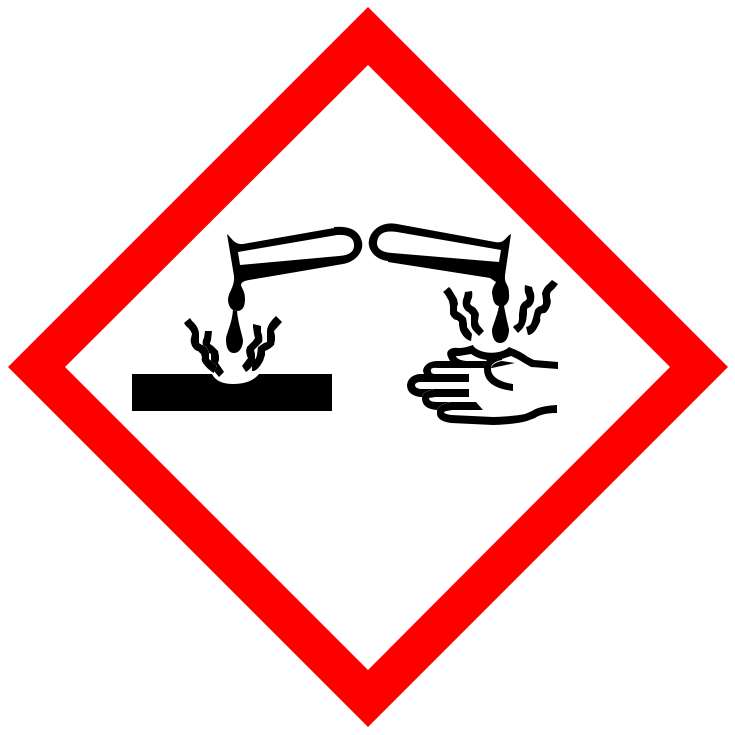
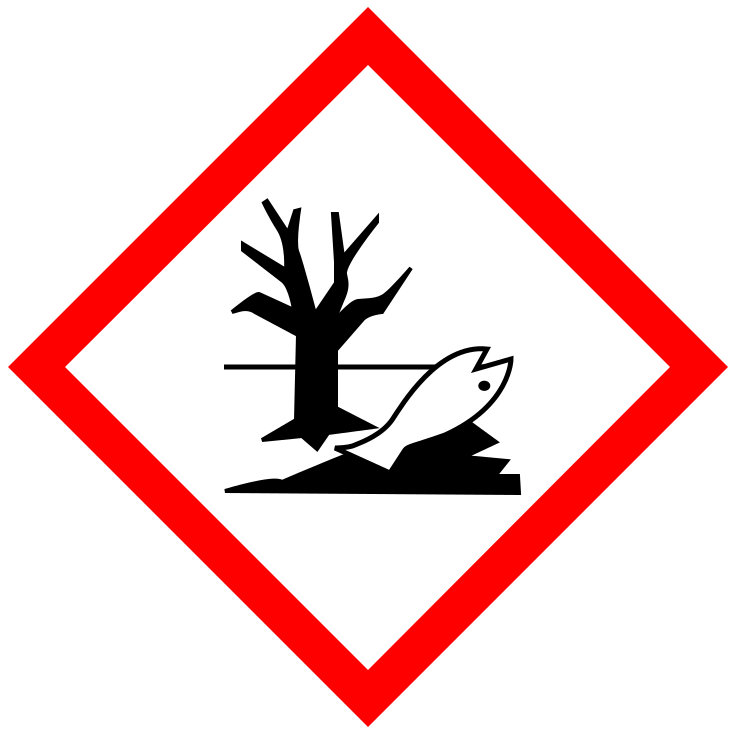
When we create or update chemical disposal entries, our H-code hazard list is generous. We list hazards that may be just below regular cutoffs and would otherwise normally be unlisted. We do this to provide hobbyists a wider scope of safety risks that may still be relevant, despite normally being omitted. Our GHS icons, however, are congruent with typical legal labeling requirements of the respective chemical.
High
- H290: May be corrosive to metals
- H314: Causes severe skin burns and eye damage
- H318: Causes serious eye damage
- H400: Very toxic to aquatic life
- H410: Very toxic to aquatic life with long lasting effects
Warning:
Always ensure your waste or cleaning solutions are at room temperature before adding bleach.
Disposal Method
For small to medium amounts, two options are available.
- Standard household bleach (5–8% sodium hypochlorite), unmixed with other chemicals, can be diluted with plenty of water and disposed of down a sewer drain, where permitted by local regulations. Larger or concentrated quantities should be taken to a household hazardous waste (HHW) facility.
- Store the bleach (instructions below) and use it for its intended purpose. This could be disinfecting toilets, cleaning outdoor areas with mildew, or sanitizing trash cans.
- Contact your local household hazardous waste (HHW) facility to arrange a drop-off.
Neutralizing Agent
Disposal as outlined above is recommended. If necessary, Sodium Thiosulfate, Sodium Bisulfite, Hydrogen Peroxide, Ascorbic Acid (Vitamin C). See dangerous combinations section.
Storage Precautions
Keep in a cool (ideally below 65° F) well-ventilated, dark area. Keep in original bottle whenever possible. If original container is not available, use a high-density polyethylene plastic container (like some sports drinks bottles). Always keep separated from acids, ammonia, and metals.
Ideal Storage Container
HDPE. Review our chemical storage container guide for more information about container types and materials.
Other Names
Sodium Hypochlorite; Hypochlorite Solution; Sodium Oxychloride; Hypochlorous acid, sodium salt; Dakin’s Solution; Javel Water; Azone;
Incompatible Chemicals / Dangerous Combinations
- Ammonia (NH₃) Toxic Chloramines – Forms Monochloramine and Dichloramine gases. These are severe respiratory irritants and can be lethal in enclosed hobby spaces.
- Acids (Muriatic, Vinegar, etc.) Lethal Chlorine Gas – Any acid lowers the pH enough to convert hypochlorite into Chlorine gas (Cl₂). This is the most common cause of household chemical fatalities.
- Alcohols (IPA, Ethanol, Isopropanol) Chloroform Formation – Triggers the Haloform Reaction. This creates Chloroform, which is a central nervous system depressant and a suspected carcinogen.
- Acetone (C₃H₆O) Explosion / Chloroform – A very violent version of the haloform reaction. It can generate significant heat, splashing, and the production of Chloroform.
- Hydrogen Peroxide (H₂O₂) Violent Gas Release – These two cancel each other out in a very energetic way, releasing large volumes of Pure Oxygen. In a closed container, this is a pressure bomb.
- Organic Matter (Oil, Grease) Spontaneous Fire – Concentrated bleach (especially Pool Shock / Calcium Hypochlorite) can react with oils or rags to cause spontaneous ignition through rapid oxidation
- Reducing Agents (Sodium Bisulfite) Sulfur Dioxide Gas – Used often to neutralize bleach, but if the bleach is added too fast, it can release toxic SO₂ gas.
Additional Tips
- Bleach naturally decomposes into salt and oxygen gas over time. This process is accelerated by Ultraviolet (UV) light and trace metal contaminants (like a rusty nail or a drop of ferric chloride). If you store bleach in a clear container or one that has been contaminated with metal salts, the oxygen buildup can bellow the plastic or shatter a glass bottle.
- Tip: Always store bleach in opaque HDPE bottles and never return “unused” bleach from a beaker back into the original stock bottle.
- Hobbyists often use bleach to clean glassware or neutralize odors. The solubility of chlorine gas in water decreases as temperature increases. If you add bleach to a hot solution (above 50°C), you can trigger the sudden release of chlorine gas that would have stayed dissolved in cold water.
- Commercial bleach contains a small amount of Sodium Hydroxide (NaOH) to keep the pH high (around 11–13), which stabilizes it. If you are using bleach to oxidize a reaction and the pH of your mixture drops below 10, the bleach becomes significantly less stable. If it drops below 7, it will begin releasing chlorine gas even without the presence of a strong acid. Always use pH strips to ensure your bleach-heavy waste remains alkaline.