Always consult a manufacturer SDS. Read our Full Liability Disclaimer
Hazard Level & Hazards:
When we create or update chemical disposal entries, our H-code hazard list is generous. We list hazards that may be just below regular cutoffs and would otherwise normally be unlisted. We do this to provide hobbyists a wider scope of safety risks that may still be relevant, despite normally being omitted. Our GHS icons, however, are congruent with typical legal labeling requirements of the respective chemical.
High
- H301: Toxic if swallowed
- H311: Toxic in contact with skin
- H314: Causes severe skin burns and eye damage
- H317: May cause an allergic skin reaction
- H331: Toxic if inhaled
- H335: May cause respiratory irritation
- H350: May cause cancer
- H370: Causes damage to organs
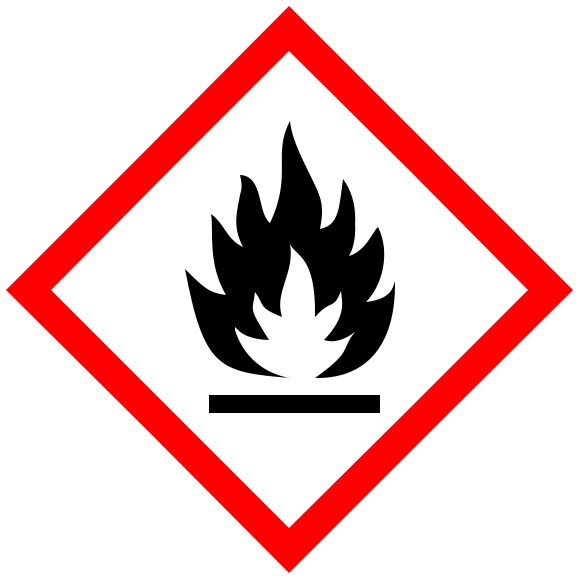
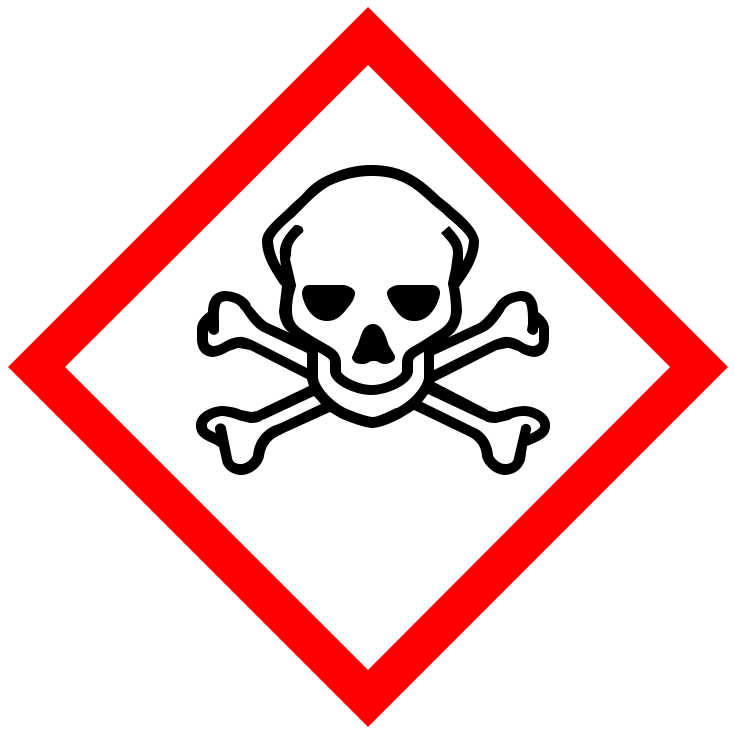
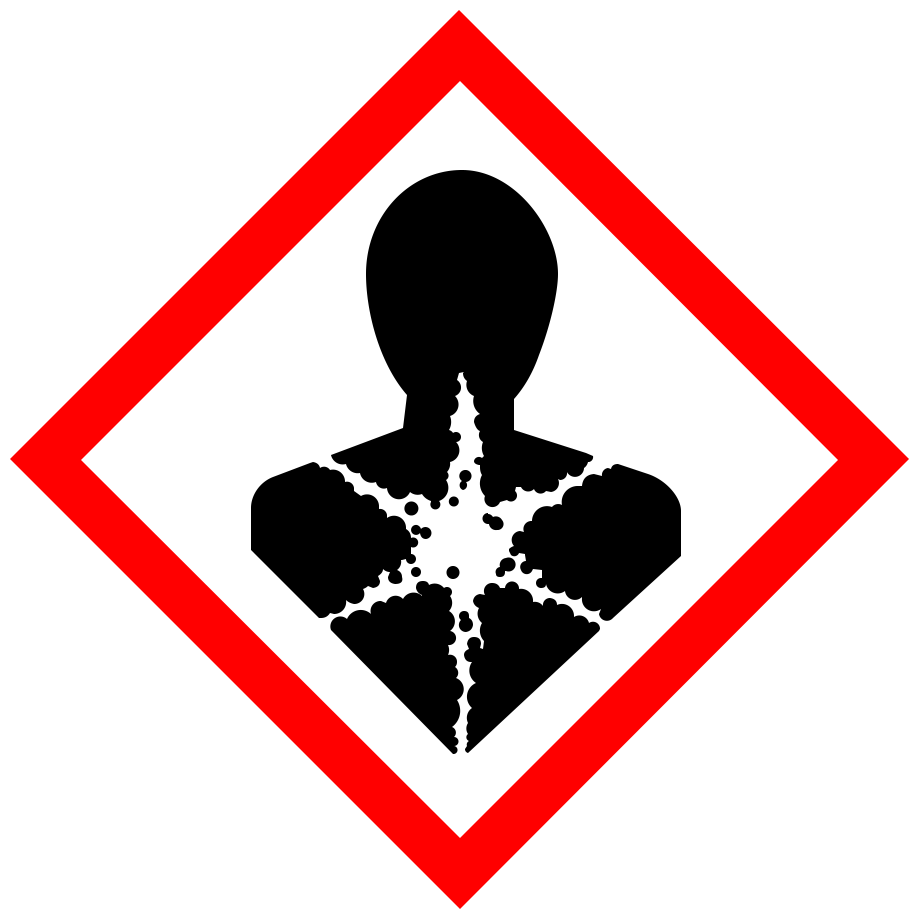
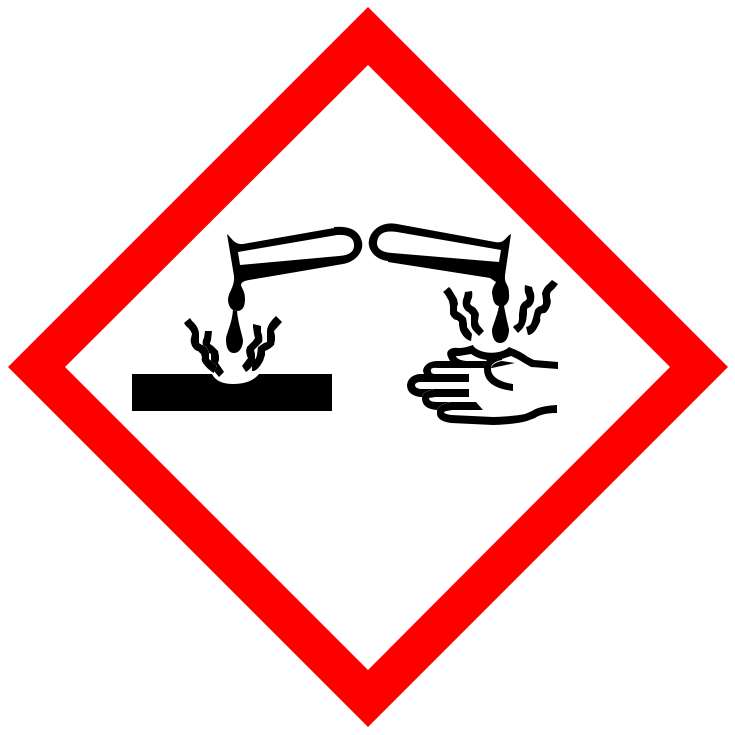
Disposal Method
Do not attempt disposal at home if:
- Concentration is above 10%
- Volume exceeds 1 liter
- It is contaminated (organic tissue, metals, unknown chemicals)
- It contains added methanol (many do)
- You are unsure of concentration
- Formaldehyde reacts with urea to form stable, non-volatile resins (urea-formaldehyde polymers).
- Move outdoors or into strong ventilation. Add urea in excess (at least equal weight to estimated formaldehyde content).
- Stir thoroughly. Allow reaction to proceed 24–48 hours.
- Once odor is significantly reduced (minimal pungent smell), dilute heavily with water (at least 10:1).
Dispose down sanitary sewer (if permitted locally). Never into a septic tank, no matter the amount or concentration.
Neutralizing Agent
Urea
Storage Precautions
Keep in a sealed amber borosilicate container. Keep in a cool area away from sunlight and away from any acids and oxidizers. Ensure adequate ventilation and avoid inhalation of fumes.
Ideal Storage Container
Borosilicate Glass. Review our chemical storage container guide for more information about container types and materials.
Other Names
Methanal, formalin, methyl aldehyde, methylene oxide, oxomethane, formic aldehyde, formol, morbicid, veracur, BFV, fannoform, formalith, FYDE
Additional Tips
- Wastewater plants rely on biological treatment. Formaldehyde is antimicrobial and can disrupt treatment microbes and it has a high oxygen demand. Small dilute quantities are usually tolerated, while concentrated loads disrupt water treatment.
- Formaldehyde contains 10–15% methanol. This means flammability risk increases in confined spaces, oxidizer mixing becomes more hazardous, evaporation increases methanol vapor exposure.
- Older formaldehyde can polymerize and increase instability (reactivity).
- If dealing with preserved tissue, it becomes a dual waste category (biohazard/chemical). HHW vs medical waste rules differ significantly across jurisdictions.
- During transport keep container upright in secondary containment. Vent vehicle while transporting (always keep in the trunk). Do not leave in a hot car and bring the original label whenever possible.
Incompatible Chemicals/Dangerous Combinations
- Peroxides (Hydrogen Peroxide, etc) Violent Oxidation – Rapid oxidation generates heat and gas. Concentrated mixtures may foam, over-pressurize containers, or become explosive under certain conditions.
- Strong Oxidizers (Sodium Hypochlorite) Chlorinated Gases – Oxidative chlorination forms chlorinated byproducts and can release toxic gases (including chlorine-containing vapors). Reaction can also be exothermic and produce respiratory hazards.
- Nitric Acid Runaway Reaction – Strong oxidation of the aldehyde generates heat, nitrogen oxides (NOx), and potentially unstable intermediates.
- Chromic acid / Dichromates Violent Oxidation – Strong redox reaction forming formic acid and CO₂ with heat release. Splattering or violent boiling possible.
- Strong Acids (Sulfuric Acid, Hydrochloric, etc) Toxic Gas / Dehydration – Acid catalyzes side reactions and can accelerate polymerization or decomposition. With oxidizers present, may enhance formation of irritating vapors. Rxn with sulfuric acid is highly exothermic, can lead to charring, rapid temperature rise, and splattering.
- Strong Bases (Sodium Hydroxide) Exothermic – Reaction is strongly exothermic in concentrated mixtures.