Always consult a manufacturer SDS. Read our Full Liability Disclaimer
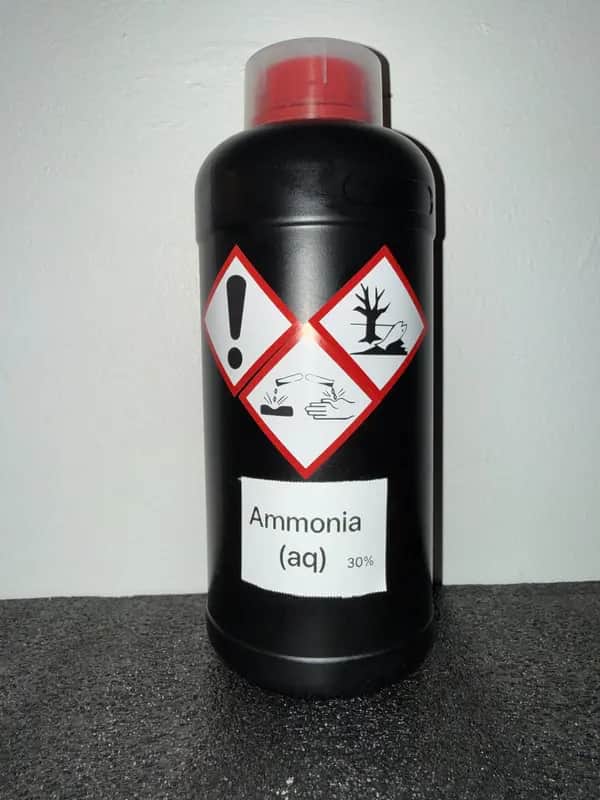
Hazard Level & Hazards:
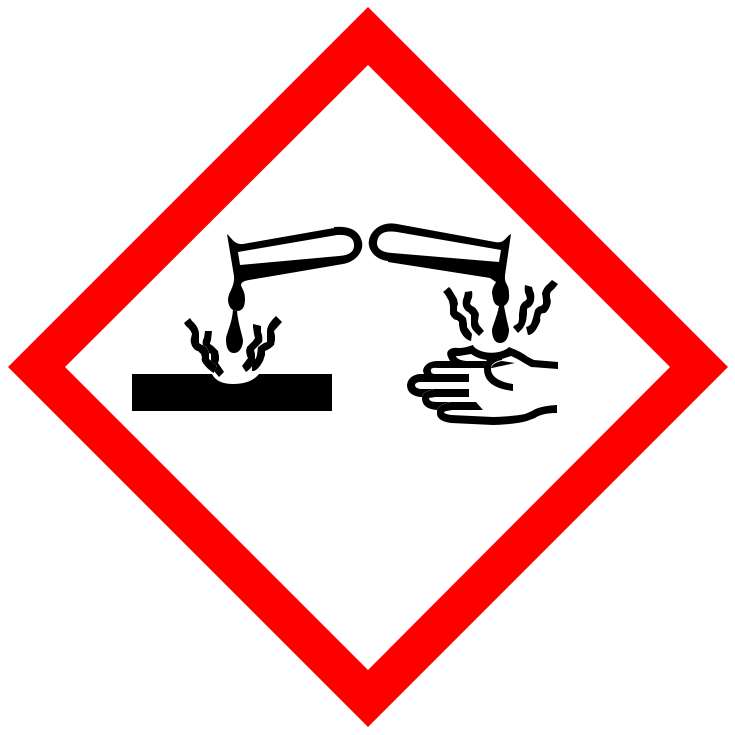
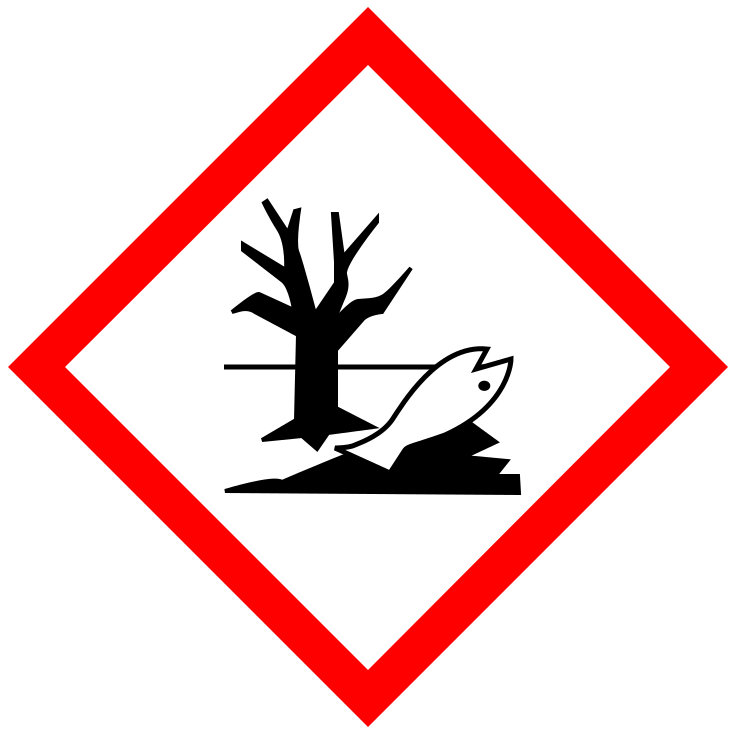
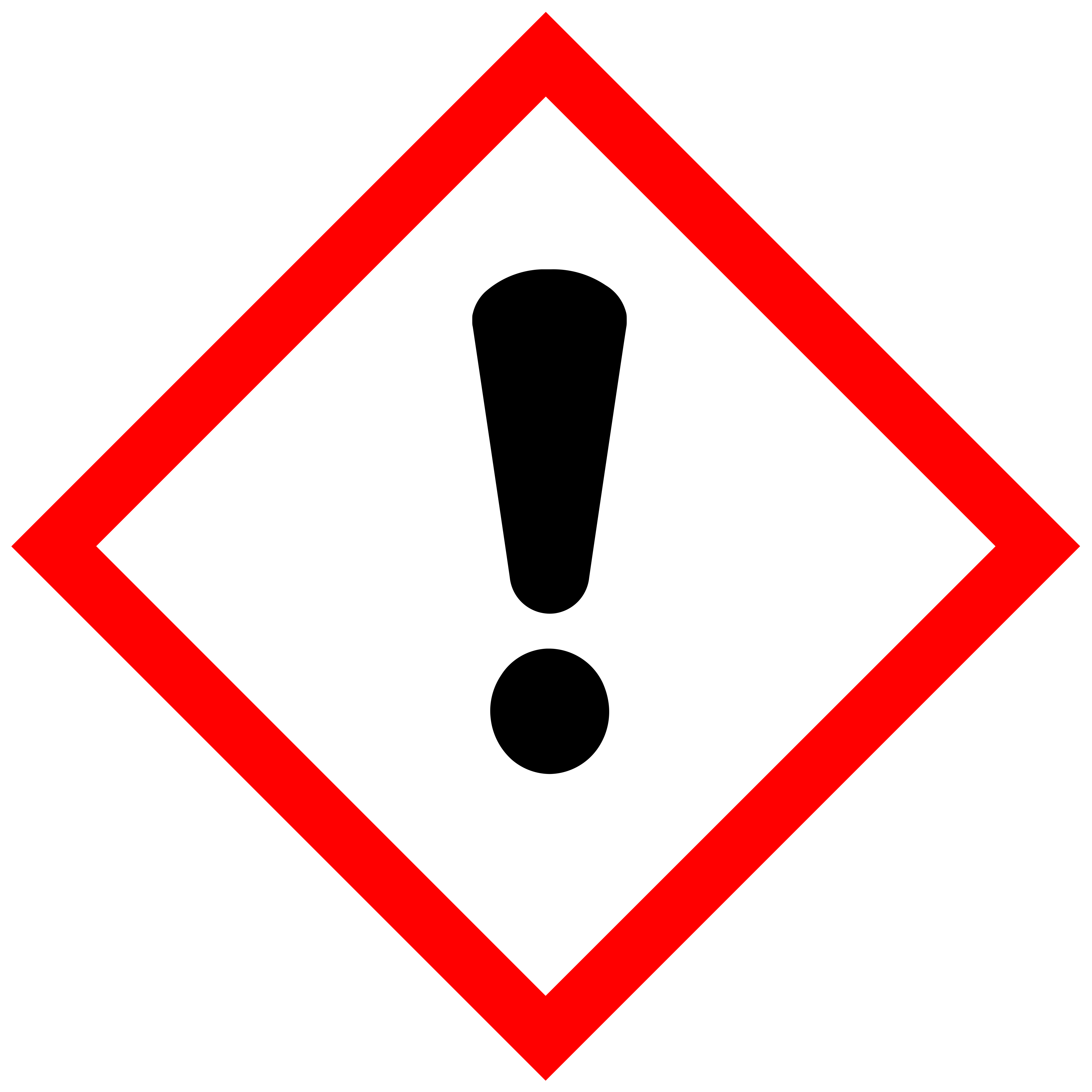
When we create or update chemical disposal entries, our H-code hazard list is generous. We list hazards that may be just below regular cutoffs and would otherwise normally be unlisted. We do this to provide hobbyists a wider scope of safety risks that may still be relevant, despite normally being omitted. Our GHS icons, however, are congruent with typical legal labeling requirements of the respective chemical.
High
- H290: May be corrosive to metals
- H314: Causes severe skin burns and eye damage
- H331: Toxic if inhaled
- H335: May cause respiratory irritation
- H400: Very toxic to aquatic life
Disposal Method
Do not pour concentrated ammonia down the drain.
Dilution: In a well-ventilated area or under a fume hood, add the ammonia to a large volume of water (at least 20:1).
Neutralization: Slowly add a weak acid (like vinegar or citric acid) until the pH is between 6 and 8.
Drain Disposal: If your local municipality allows it, the neutralized ammonium salt solution can be flushed with lots of water.
HHW Option: For large quantities or cloudy ammonia with surfactants, take it to a Household Hazardous Waste (HHW) facility.
Neutralizing Agent
Citric Acid or Acetic Acid (Vinegar). Always dilute the ammonia before neutralizing to manage heat.
Storage Precautions
Store in a HDPE container in a cool, well-ventilated area away from direct sunlight. Keep strictly separated from halogens (like Bleach) and strong acids.
Ideal Storage Container
HDPE. Review our chemical storage container guide for more information about container types and materials.
Other Names
Ammonium Hydroxide, Ammonia Water, Aqua Ammonia
Additional Tips
- Never put your nose over a bottle of ammonia. The hit to your mucous membranes is instant and painful. Always waft the air toward you from a distance if you absolutely need to identify it by smell.
- If you are buying ammonia from a grocery store for lab use, check the label for surfactants (soap). Cloudy ammonia contains soap which will ruin most chemical precipitates or reactions. Look for clear ammonia.
- Ammonia gas easily escapes from cheap plastic bottles over time. If your bottle feels collapsed or sucked in then the gas has permeated the plastic or leaked, potentially weakening the solution
- If you suspect a leak in an acid gas system (like HCl), passing an open bottle of ammonia nearby will create a visible white smoke (Ammonium Chloride) exactly where the leak is occurring.
Incompatible Chemicals/Dangerous Combinations
- Sodium Hypochlorite (Bleach) Toxic Gas – Mixing these creates Chloramine gas, which is toxic and can be fatal if inhaled in closed spaces.
- Iodine Explosion Risk – Can form Nitrogen Triiodide (NI₃), a highly sensitive primary explosive that can detonate from a touch when it’s dry
- Strong Acids (e.g., Muriatic Acid) Exothermic Reaction – Produces lots of heat and thick white smoke (Ammonium Chloride). Can cause splashing of corrosive liquid
- Copper/Brass Corrosion – Ammonia rapidly attacks and dissolves copper-based alloys, forming a deep blue complex. It will ruin brass fittings or valves.